

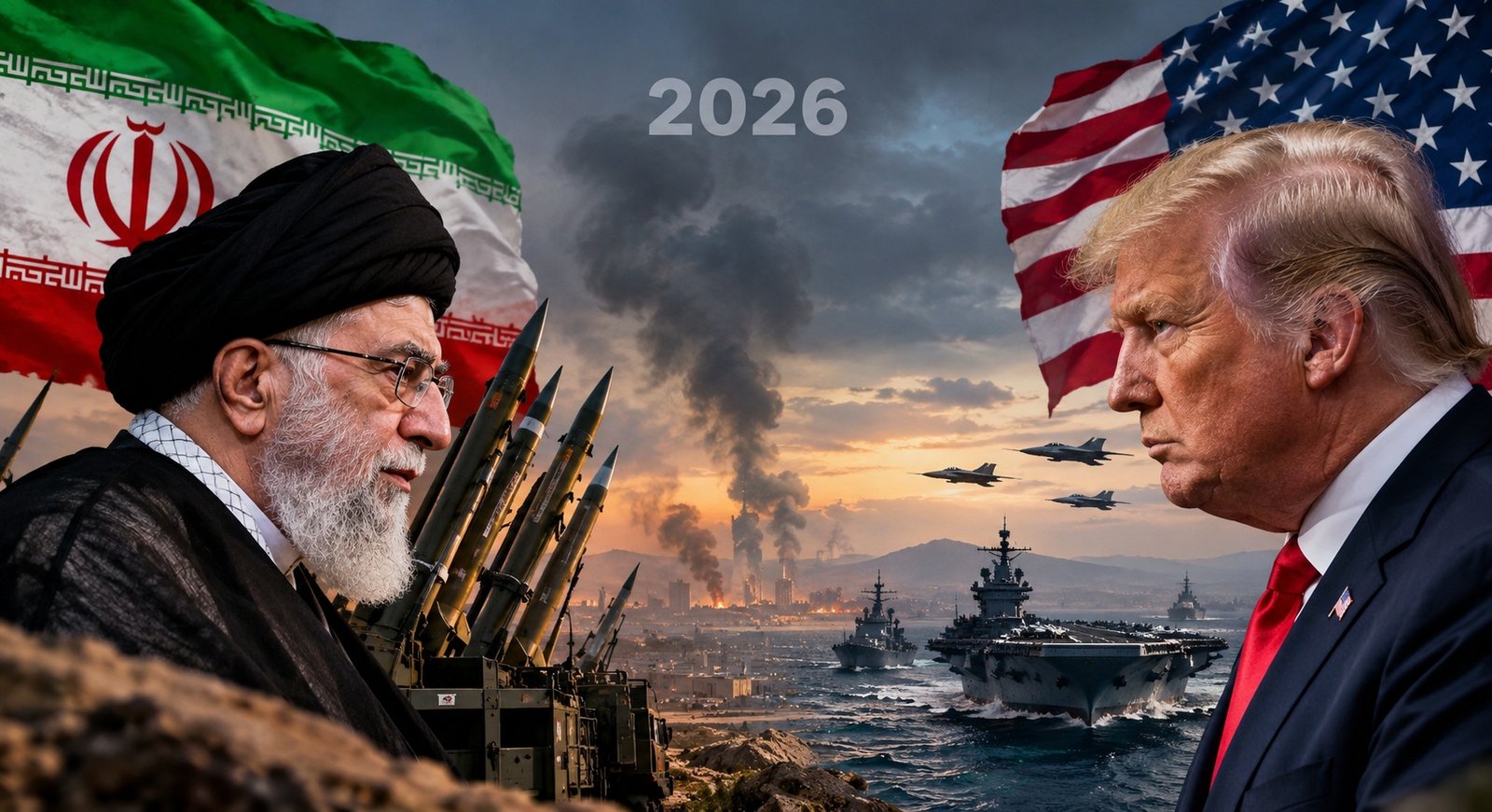
The Iran America war has entered one of its most dangerous phases yet, with both sides trading direct strikes on ships, air bases, and oil infrastructure across the Gulf. What began as a fast, decisive campaign back in February has stretched into a grinding, months-long conflict that’s now rattling global oil markets and pulling in US allies across the Middle East.
If you’re trying to make sense of the Iran US war — why it started, what’s happened most recently, and where it might be heading — this guide breaks down the key events, the numbers, and what experts are watching next in the ongoing Strait of Hormuz conflict.
What Is the 2026 Iran-America War?
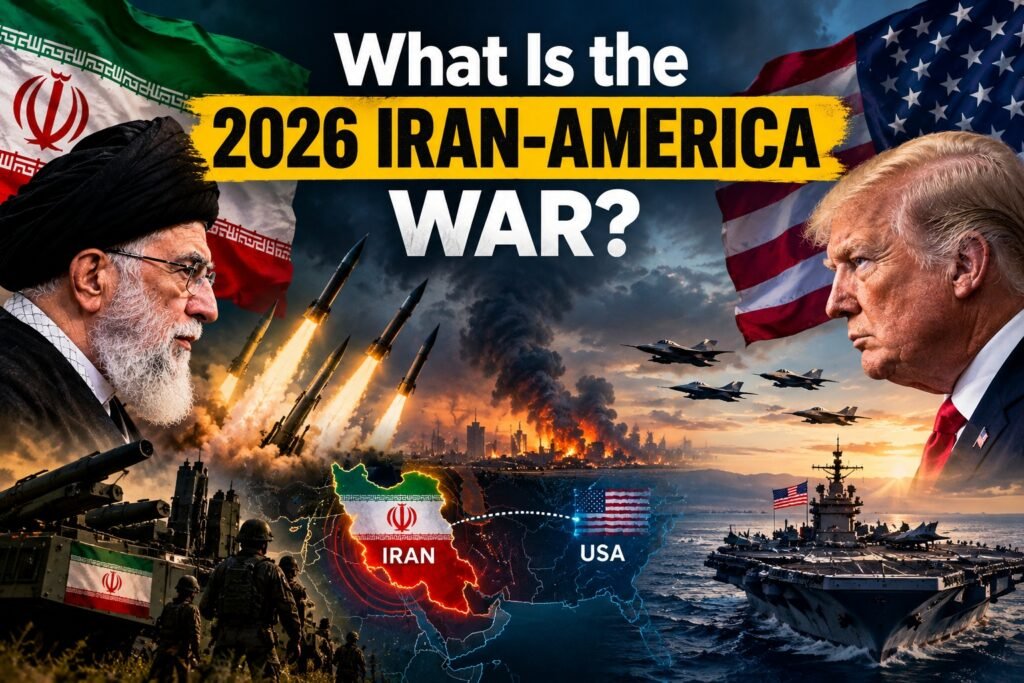
The conflict traces back to February 28, 2026, when the United States and Israel launched coordinated strikes on Iranian military, government, and nuclear-related infrastructure. The operation, which US officials have referred to in briefings as part of a broader campaign, killed several senior Iranian officials, including Supreme Leader Ali Khamenei, who was killed in an Israeli air attack the same day.
That single event turned a tense standoff over Iran’s nuclear program into a shooting war. Since then, the US and Iran have exchanged strikes almost continuously, even as diplomats from both sides have periodically sat down at the negotiating table.
| Key Fact | Detail |
|---|---|
| Start date | February 28, 2026 |
| Trigger | US-Israeli strikes killing Iranian officials, including Supreme Leader Khamenei |
| Main flashpoint | Strait of Hormuz and Gulf shipping lanes |
| Days into conflict (as of Sept 9) | 194 |
| Diplomatic status | Talks opened in June around a memorandum of understanding; fighting has continued regardless |
Timeline: How the Iran America War Escalated
Understanding the Iran America war means tracing how it moved from an initial round of strikes into a sustained shipping and infrastructure conflict.
- February 28, 2026 — US and Israeli forces launch “major combat operations,” striking over 1,000 targets in the opening days under an operation US officials called “Epic Fury.”
- March 2026 — CENTCOM reports more than 9,000 targets struck and 9,000-plus combat flights within the first month; Iranian retaliation strikes hit a US base in Jordan and Prince Sultan Air Base in Saudi Arabia, injuring a dozen Americans.
- June 2026 — US and Iranian delegations begin talks aimed at a war-ending deal built around a signed memorandum of understanding.
- August 2026 — Trump signals a “crushing economic operation” against Tehran; Iran’s Supreme National Security Council later says it plans a maritime exclusion zone near the Strait of Hormuz.
- September 1–2, 2026 — A US strike reportedly hits a wedding gathering in Iran’s Hormozgan province; Iranian officials say four civilians died, while Vice President JD Vance says he’s “extremely skeptical” of that account. Iran claims retaliatory strikes on US-linked sites in the UAE, Jordan, and Kuwait.
- September 5, 2026 — US forces disable or destroy multiple Iranian oil tankers after Iran’s Revolutionary Guard Corps (IRGC) fires ballistic missiles toward a US aircraft carrier and destroyer; CENTCOM says neither American ship was hit.
- September 8–9, 2026 — In the single largest day of tanker destruction so far, the US destroys five Iranian crude carriers after the IRGC reportedly tries twice in two days to strike a US warship. Iran responds with roughly 20 ballistic missiles at Jordan’s Al Azraq air base; Jordanian forces say most were intercepted. The IRGC claims hits on two US destroyers, which CENTCOM denies.
Why Is Iran Attacking Oil Tankers and US Bases?
Iran has framed its recent strikes — including the barrage aimed at Jordan’s Al Azraq air base — as defensive retaliation against ongoing US and Israeli attacks on its territory and military assets. Tehran has also targeted a “shadow fleet” of tankers it uses to fund the IRGC, which the US has now made a direct target under what CENTCOM calls a “tanker for tanker” policy.
The Iran-aligned Houthi movement in Yemen has widened the fight further, striking Saudi oil facilities, which Riyadh answered with its own retaliatory strikes — the worst exchange since a four-year-old truce between the two.
How Is the Iran US War Affecting Oil Prices?
This is one of the clearest real-world consequences of the conflict for people outside the region. Brent crude climbed above $100 a barrel on September 9, its first three-figure print in about six weeks, while West Texas Intermediate traded above $92.
| Date | Brent Crude | Notes |
|---|---|---|
| Late July 2026 | Surpassed $100/barrel | First major spike of the war |
| September 7, 2026 | ~$97/barrel | Trending up on Gulf disruption fears |
| September 8, 2026 | $97.89/barrel | Settled ahead of tanker strikes |
| September 9, 2026 | $100.29/barrel | First 3-figure print in ~6 weeks |
Goldman Sachs has warned that intensifying attacks on shipping raise the odds of Brent climbing even higher, particularly if Iran follows through on its threatened exclusion zone extending from Chabahar into the Gulf of Oman and Arabian Sea.
Is the US and Iran Currently at War?
Yes — by most standard definitions, this is an active, ongoing war rather than a limited exchange of strikes. The US has officially described its actions as “major combat operations,” though some US officials, including VP Vance, have publicly resisted calling it a full-scale “war” in public remarks. Regardless of terminology, both sides have sustained military casualties, destroyed vessels, and struck each other’s territory and assets for over six months.
What Damage Has Each Side Suffered?
Casualty and damage figures remain contested, with each side disputing the other’s claims — a pattern typical of active conflicts where independent verification is difficult.
- The US has confirmed at least six American service members killed in Iranian retaliatory strikes following the initial February offensive.
- Iran has reported military losses among IRGC Aerospace Force, navy, and Basij personnel from US strikes in early September.
- A US strike on a wedding gathering in Hormozgan province reportedly killed four civilians and wounded dozens, according to Iranian officials — a claim the US has said it’s investigating and which Vance called into question.
- Iranian strikes on the UAE in February killed three foreign workers (from Pakistan, Nepal, and Bangladesh) and injured 58 others.
- The US says it has destroyed at least eight Iranian oil tankers tied to IRGC funding networks since strikes began in September alone.
Which Countries Are Being Pulled Into the Conflict?
The Iran America war hasn’t stayed contained to the two main combatants. Iran-backed militias in Iraq — commanding an estimated 50,000 fighters — have rejected a September 30 deadline from Iraq’s prime minister to disarm. Jordan, Kuwait, and the UAE have all reported strikes tied to the conflict on their soil. The UK has also been targeted, with Iranian strikes hitting British-linked military facilities in Cyprus, the Indian Ocean, and Iraq due to Britain’s cooperation with US operations. Meanwhile, the US has been withdrawing troops from Iraq under a plan reaffirmed for completion by September 30, 2026 — even as Iran-aligned Iraqi groups continue targeting American personnel.
Could the Iran-US War Escalate Further?
Several factors suggest the risk of further escalation remains real. Iran’s planned maritime exclusion zone would put it in direct confrontation with international shipping norms. Trump has said the conflict “will not last long,” but has also promised continued economic pressure and has stated the US has “essentially” taken control of parts of Iran’s military posture in the region. With oil prices climbing and both sides continuing to strike despite ongoing diplomatic talks, most regional analysts see the current pause-and-escalate pattern continuing rather than a clean resolution in the near term.
What Role Is Diplomacy Playing in the Iran US War?
Diplomatic talks have run in parallel with the fighting since June 2026, built around a memorandum of understanding both countries signed as a starting framework for a war-ending deal. So far, negotiations haven’t stopped the exchange of strikes, and Al Jazeera’s live coverage has repeatedly noted short pauses in fighting collapsing within days. Qatar has publicly warned that continued escalation risks an “industrial catastrophe” for the wider Gulf region if shipping disruptions keep intensifying.
How Is the Conflict Affecting the Strait of Hormuz?
The Strait of Hormuz sits at the center of the Iran America war, since it’s one of the world’s most important oil chokepoints. Iran has maintained a partial blockade posture in the strait since the war began, pushing more traffic toward alternate routes like the Red Sea for Saudi exports. The IRGC’s planned exclusion zone would extend restrictions further into the Gulf of Oman and Arabian Sea, threatening to choke off even more commercial shipping and pushing insurance and freight costs higher worldwide.
Frequently Asked Questions About the Iran America War
When did the Iran America war start?
The Iran America war began on February 28, 2026, after coordinated US-Israeli strikes killed several senior Iranian officials, including Supreme Leader Ali Khamenei.
Is the Iran US war still going on?
Yes, the Iran US war is still active as of September 2026, with both sides continuing to trade strikes on ships, bases, and infrastructure despite ongoing peace talks.
Why are oil prices rising because of the Iran America war?
The Iran America war has disrupted tanker traffic through the Strait of Hormuz, pushing Brent crude above $100 a barrel amid fears of further Gulf shipping disruptions.
Has the US invaded Iran during this war?
No ground invasion has been confirmed; the Iran America war has so far been fought primarily through airstrikes, missile exchanges, and naval attacks rather than a land invasion.
How many people have died in the Iran America war?
Casualty figures are disputed and still being confirmed, but the Iran America war has caused military and civilian deaths on both sides, including US service members and Iranian personnel and civilians.
What is Iran’s exclusion zone in the Iran America war?
Iran has announced plans for a maritime restricted zone stretching from Chabahar into the Gulf of Oman and Arabian Sea, a move tied directly to the Iran America war and its shipping disputes.
Will the Iran America war end soon?
It’s uncertain — Trump has said the Iran America war “will not last long,” but repeated escalations despite active diplomacy suggest a quick resolution isn’t guaranteed.
Conclusion: Where the Iran America War Stands Now
Six months in, the Iran America war shows no clear sign of winding down. What started as a rapid opening offensive in February has turned into a drawn-out exchange of strikes across Gulf shipping lanes, air bases in Jordan and Saudi Arabia, and Iranian territory itself. The Iran US war has now pulled in Iraq, the UAE, Kuwait, and even the UK, while pushing global oil prices to their highest levels in weeks.
With diplomatic talks continuing alongside near-daily strikes, the situation remains fluid and highly contested by both sides. Anyone following the Iran America war should expect the picture to keep shifting fast — treat any single day’s headlines as one snapshot in a conflict that’s still very much unfolding.
Sources used (verify before publishing, as this is a fast-moving story): ABC News, CBS News, Al Jazeera, Fox News, and Wikipedia’s continuously updated “2026 Iran war” entries.

1 thought on “Iran America War 2026: Inside the Shocking Escalation”