

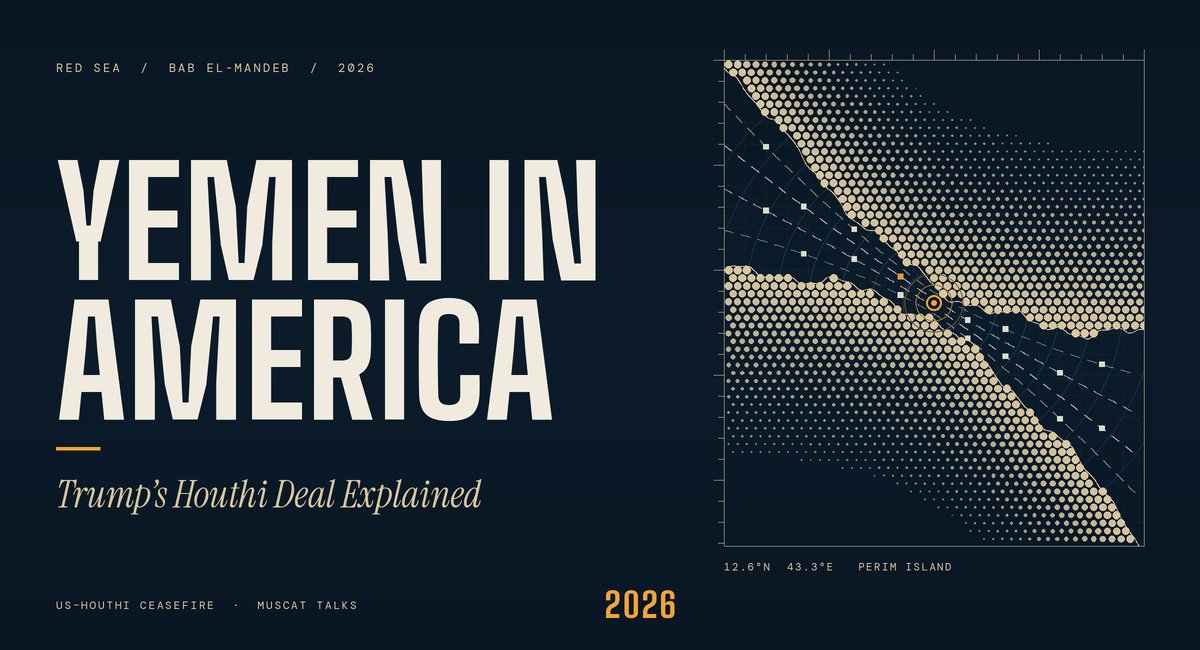
Yemen in America is really two stories at once. The first is diplomatic: how Washington deals with the Houthis (Ansar Allah), the Iran-backed group that now controls Yemen’s Red Sea coast. The second is personal: what US immigration policy means for Yemeni Americans. Most people searching Yemen in America right now want one answer first: is the United States at war with the Houthis? Not directly. There is a 2025 ceasefire, a reported secret meeting in Oman, and heavy pressure from Saudi Arabia to do more. This guide covers the facts, the Trump administration’s choices, and what could change next.
Is the US at war with the Houthis right now?
No. US officials have said the administration does not intend to take direct military action against the Houthis at this time. Washington is fighting a separate war with Iran, the Houthis are fighting Saudi Arabia and Yemen’s government, and the May 2025 US–Houthi ceasefire is still the working framework.
So why does the idea of a US–Houthi war keep trending? Three reasons:
- The strikes were real, just not current. The US and UK bombed Houthi targets from January 2024, and a much larger American air and naval campaign, Operation Rough Rider, began on March 15, 2025.
- The Houthis are tied to Iran. The Iran war began on February 28, 2026, with US and Israeli airstrikes, and the Houthis repeatedly threatened to join it.
- Prices at the pump. Houthi land grabs have strained energy markets, and a barrel of oil hit $109 at one point this month, with US gasoline averaging $4.23 a gallon.
The situation changes almost daily, so treat everything below as accurate up to September 20, 2026.
Yemen in America: a timeline of the US–Houthi relationship
| Date | What happened | Why it matters |
|---|---|---|
| Mar 15, 2025 | US launches Operation Rough Rider strikes | First large US operation in the Middle East of Trump’s second term |
| Mar 2025 | Trump administration designates the Houthis a foreign terrorist organization | Criminalizes support for the group |
| May 6, 2025 | Oman-brokered ceasefire takes hold | Houthis stop targeting US ships |
| Oct 2025 | Houthis suspend Red Sea attacks after the Gaza peace plan | Calmest period in the Red Sea for two years |
| Feb 28, 2026 | US and Israel strike Iran | Start of the Iran war |
| Mar 28, 2026 | Houthis resume missile attacks on Israel | Group joins the wider war |
| Jul 20, 2026 | Houthis declare a blockade of Saudi ports and ships in the Bab el-Mandeb | Ends years of quiet with Saudi Arabia |
| Sep 3–11, 2026 | Houthi offensive takes Mokha, Perim Island and the entire Red Sea coast | Houthis now sit on a global chokepoint |
| Sep 13–14, 2026 | US officials meet Houthi representatives at the US Embassy in Muscat | First reported direct contact since the offensive |
What was the Trump–Houthi deal?
On May 6, 2025, Trump declared the strikes over, effective immediately, after a ceasefire brokered by Oman. In practice, the Houthis stopped targeting US ships but kept striking Israeli targets and commercial shipping until late September 2025.
Three things about this deal matter:
- It was narrow. It covered American ships, not Israel, Saudi Arabia or global commerce.
- It was mediated. Oman, a longtime go-between, carried the messages. This was not a public peace treaty.
- It never removed the terror label. Washington has negotiated with the Houthis since designating them, even though that designation criminalizes support for the group.
The deal has also survived stress tests. After US strikes on Iranian nuclear sites in June 2025, the Houthis signaled they might end the ceasefire, but hostilities with the US did not resume.
For context, this is not Trump’s first Yemen decision. He vetoed a bipartisan 2019 bill aimed at ending US support for the Saudi-led coalition in Yemen. His second-term approach is more transactional: avoid a new ground commitment, protect shipping and oil, and talk to almost anyone who can help.
Why Trump said no to Saudi Arabia’s request for strikes
The most important recent decision on Yemen in America’s foreign policy is one Trump did not make.
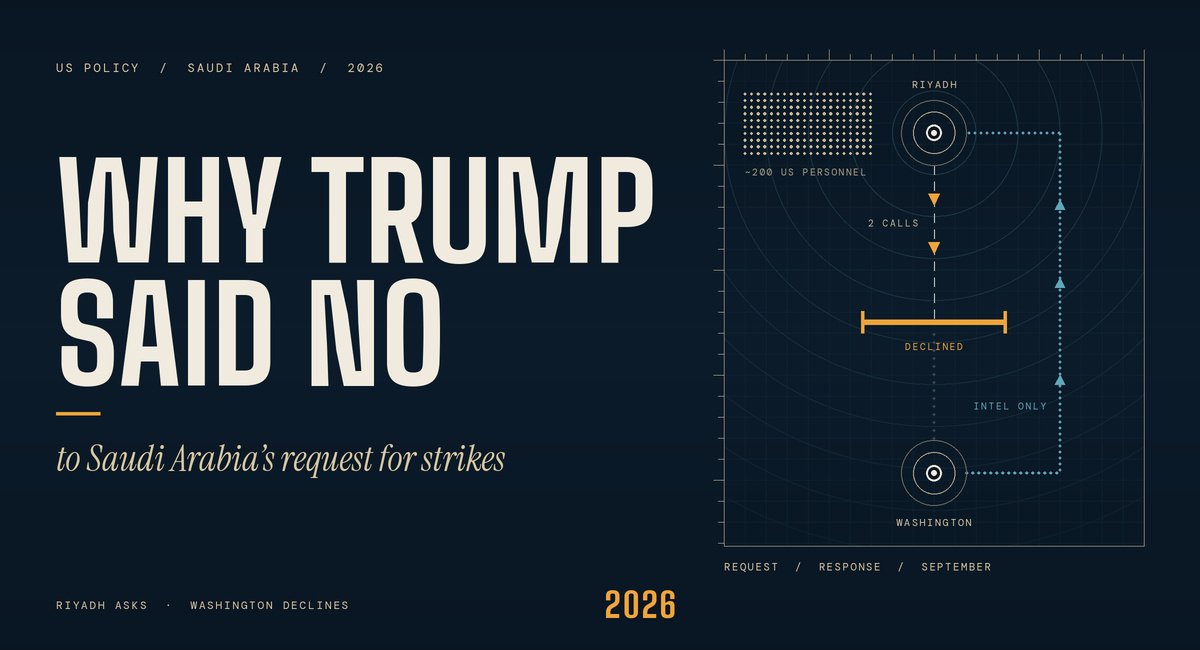
Saudi Crown Prince Mohammed bin Salman reportedly called Trump twice, first to brief him on the Houthi advance toward Mokha and then to urge US strikes. Trump rejected the request. US officials added that Washington would still give the Saudis intelligence and targeting data, and that about 200 US military personnel are already in Saudi Arabia providing support.
Other signals point the same way:
- A military visit, not a military commitment. The head of US Central Command, Adm. Brad Cooper, traveled to Riyadh for urgent talks, yet the White House gave no explicit guarantee to defend Saudi energy infrastructure or shipping routes.
- Trump’s own account. On September 12, he said the Houthis had phoned the administration to say they did not want to fight the US, and that most ships were being allowed through.
- CNN’s read. The administration has little interest in using the American military against the Houthis and is relying on Saudi Arabia to do so.
Why hold back? Analysts quoted by Al Jazeera point to overstretch. The US is already in an expensive war with Iran, the Houthis’ principal backer, and a new front carries military, economic and electoral risks ahead of the November midterms. That is analysis, not an official explanation, but it fits the pattern. The US stays focused on Iran and the Strait of Hormuz, and the Yemen front is left to Riyadh.
Inside the Muscat talks: what the Houthis reportedly promised
Reuters reported that US officials met Houthi representatives in Oman over the weekend, days after the group seized a strategic stretch of Red Sea coast. The meeting was held at the US Embassy in Muscat, and Oman helped organize it. The Houthi delegation included Mohammad Abdul Salam, who is under US sanctions.
According to Reuters’ sources:
- The Houthis said they had no intention of attacking American vessels and remained committed to the 2025 ceasefire.
- They also said they would refrain from attacking Israeli and other commercial ships, excluding vessels flying the Saudi flag.
- The State Department declined to confirm the meeting and repeated its general position on freedom of navigation and preventing the spread of terrorism.
Treat this carefully. The meeting was not made public, it rests on anonymous sources, and the Houthi pledges are reported, not verified. The Saudi exclusion is the key gap. It leaves the most dangerous front open, because Houthi attacks on Saudi ships and oil sites continue.
Why the Red Sea matters to Americans
The Bab el-Mandeb strait is the narrow gateway between the Red Sea and the Gulf of Aden. Around 12 percent of global trade normally passes through it. Its importance jumped this year for a specific reason.
According to US Energy Information Administration data, oil flows through Hormuz fell from 21.6 million barrels a day in late 2025 to 4.9 million in the second quarter of 2026, while flows through Bab el-Mandeb rose from 5.4 million to 8.1 million as Saudi Arabia rerouted crude to the Red Sea.
In plain terms, the Red Sea became the backup route just as the Houthis took ground beside it. In August, a Houthi attack killed six people on a cargo ship in the strait, the first fatalities from attacks on Red Sea shipping in more than a year. That is why a group Americans rarely think about can move US gas prices, and why the White House keeps talking to them despite the terrorist designation.
Yemen in America at home: TPS, the travel ban and Yemeni Americans
The other meaning of Yemen in America is the Yemeni community in the United States, and 2026 has been hard on it.
- TPS ended. DHS announced on February 13, 2026, that it would end Temporary Protected Status for Yemen. Roughly 1,380 Yemeni TPS holders were affected.
- Courts delayed it, then the Supreme Court weighed in. A federal judge postponed the termination on May 1. After the Supreme Court’s June 25 decision in Mullin v. Doe, USCIS says the Yemen designation terminated effective July 20, 2026.
- The class action continues. The case, Abdo Doe v. Mullin, is still in federal court in New York, but protections and work authorization are not currently active.
- Voluntary departure is being offered. Those who leave voluntarily are offered a free flight and a stipend.
- Travel restrictions. Yemen was listed in the travel ban Trump imposed last year. The State Department also tells US citizens not to travel to Yemen because of terrorism, unrest, crime, kidnapping, landmines and health risks.
The political fallout is notable. Some Yemeni American activists who backed Trump in 2024 say they feel betrayed by the TPS decision.
This section is general information, not legal advice. Anyone affected should speak to a licensed immigration attorney, because deadlines and court orders can change quickly.
What happens next: three scenarios
This table is analysis based on current reporting, not a prediction.
| Scenario | What would trigger it | Likely effect on Yemen in America |
|---|---|---|
| Uneasy status quo | Muscat channel holds, Houthis avoid US ships | No US strikes; Saudi Arabia carries the fight; oil stays volatile |
| Limited US action | Houthi hit on a US vessel, or a severe energy shock | Short, targeted strikes and pressure on Iran; the 2025 ceasefire likely ends |
| Cooling through an Iran deal | Trump says he hopes the Iran war is nearing its end and is expected to meet Gulf leaders at the UN General Assembly | Houthi front calms, but the Saudi–Houthi war may continue on its own track |
One wildcard is on the ground in Yemen. On September 8, Yemeni government forces launched a counteroffensive with the stated aim of retaking Sanaa. A collapse on either side would change every scenario above.
Quick Q&A: fast answers on Yemen in America
Did Trump make a deal with the Houthis?
Yes. The May 2025 ceasefire was brokered by Oman, and the Houthis reportedly reaffirmed it at the September 2026 Muscat meeting.
Does the US still call the Houthis terrorists?
Yes. The foreign terrorist organization designation dates to March 2025 and remains in place.
Is the US bombing Yemen today?
Reports say the administration has declined to strike the Houthis for now. The airstrikes in the news are mostly Saudi and Yemeni government operations.
Who runs Yemen?
There are two rival governments. The Aden-based Presidential Leadership Council is led by Rashad al-Alimi, and the Sanaa-based Supreme Political Council is headed by Mahdi al-Mashat under Houthi leader Abdul-Malik al-Houthi.
Can Americans travel to Yemen?
No. The State Department advises against it for any reason.
Do Yemeni TPS holders still have status?
Not under the terminated designation, though the lawsuit continues. Get individual legal advice.
Frequently asked questions about Yemen in America
What does Yemen in America mean for US foreign policy?
Yemen in America shorthand covers how Washington manages the Houthis, Saudi Arabia and Iran at once. The current approach avoids direct combat, keeps a backchannel open through Oman, shares intelligence with Riyadh, and focuses military resources on Iran and the Strait of Hormuz.
Is there a war between America and the Houthis today?
No direct war exists. The US fought the Houthis from March to May 2025, then agreed to a ceasefire. Since then the Houthis have fought Saudi Arabia and the Yemeni government. Reuters reports they told US officials they would not target American ships.
What is the Trump–Houthi ceasefire and is it still in effect?
It is the May 6, 2025 agreement mediated by Oman. Neither side has formally ended it, and the Houthis reportedly said in Muscat that they still honor it. It never covered Israel or Saudi Arabia, so it cannot be read as a wider peace.
Why won’t Trump attack the Houthis when Saudi Arabia asks?
Reporting suggests he wants to stay focused on Iran and Hormuz, and a second Middle East front carries military, economic and electoral costs. Yemen in America policy right now leans on Saudi forces and intelligence support instead of US strikes.
Could the US still get pulled into fighting in Yemen?
Yes. A Houthi attack on a US vessel, a major energy shock, or a collapse of Saudi-backed forces could change the calculation. Some former officials quoted in the press argue direct involvement may eventually be unavoidable. That is a forecast, not a fact.
What happened to TPS for Yemenis in the United States?
DHS ended it, the courts delayed it, and after the Supreme Court’s June 2026 ruling USCIS lists it as terminated effective July 20, 2026. A related class action is continuing. Yemen in America immigration questions should go to a licensed attorney, since individual cases differ.
Where can I find reliable updates on Yemen in America?
Use primary and wire-service reporting: Reuters, AP, Al Jazeera, CNN, the USCIS TPS page and the State Department travel advisory. Be cautious with unverified social media posts, which often mix up Houthi, Saudi and Iranian claims.
Conclusion
Yemen in America comes down to a pattern: Washington avoids a direct fight with the Houthis while managing the fallout. The 2025 ceasefire, the reported Muscat talks and Trump’s refusal to strike show a policy built on limits, not victory. At home, Yemen in America also means a community facing the end of TPS and tighter immigration rules. The next few weeks matter. The Iran talks are unresolved, Trump is expected to meet Gulf leaders at the UN, and Saudi–Houthi fighting shows no sign of easing. Check back for updates, and if you are personally affected by the TPS decision, speak to a licensed immigration attorney before acting.
Sources and editorial note
Reporting current to September 20, 2026, from:
- Reuters via gCaptain, “U.S. Held Secret Talks With Houthis After Red Sea Offensive”: https://gcaptain.com/u-s-held-secret-talks-with-houthis-after-red-sea-offensive-reuters-reports/
- Al Jazeera, “As Houthis grab Bab al-Mandeb, US appears willing to watch from sidelines”: https://www.aljazeera.com/news/2026/9/18/as-houthis-grab-bab-al-mandeb-us-appears-willing-to-watch-from-sidelines
- CNN, “Frustration grows as Houthis widen Middle East conflict”: https://edition.cnn.com/2026/09/19/politics/frustration-houthis-saudi-arabia-iran
- Middle East Eye, “Trump says Houthis asked US not to intervene in Yemen”: https://www.middleeasteye.net/news/trump-says-houthis-asked-us-not-intervene-yemen
- The Times of Israel, on Trump rejecting the Saudi request: https://www.timesofisrael.com/trump-said-to-reject-saudi-request-for-strikes-on-houthis-as-they-seize-red-sea-island/
- USCIS, Temporary Protected Status: Yemen: https://www.uscis.gov/humanitarian/temporary-protected-status/yemen/temporary-protected-status-designated-country-yemen
- Wikipedia, “2025 United States–Houthi ceasefire”: https://en.wikipedia.org/wiki/2025_United_States%E2%80%93Houthi_ceasefire
The Muscat meeting is based on anonymous sources, and the State Department has not confirmed it. Houthi and Saudi claims about strikes are often unverified by independent observers.
