

Introduction
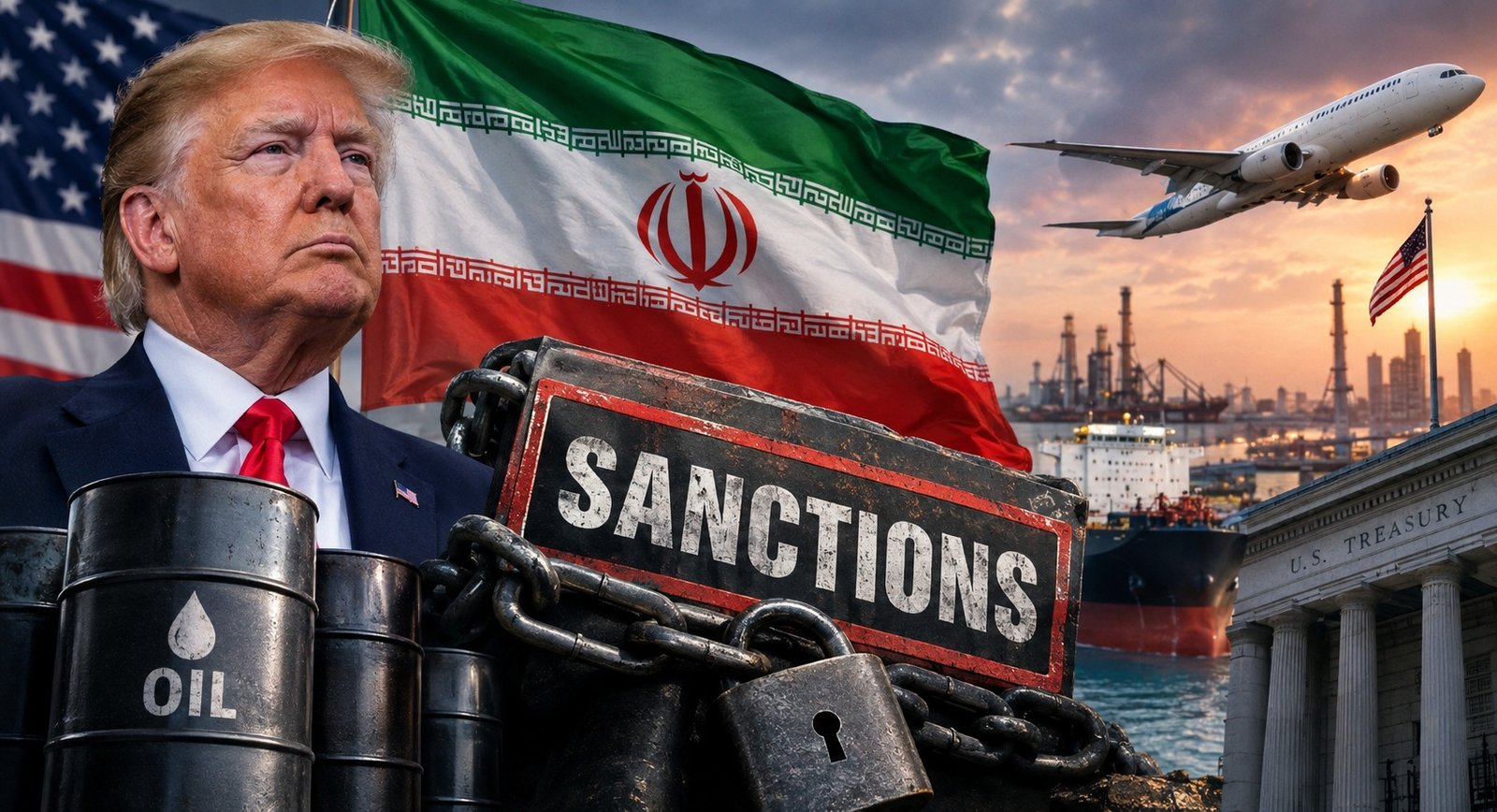
Between August 24 and September 11, 2026, the United States rolled out one of its most aggressive rounds of Iran sanctions in recent memory, branded internally as “Operation Economic Outcast.” Treasury Secretary Scott Bessent called it an economic offensive meant to cut Iran off from the global financial system entirely.
For businesses, lawyers, and compliance teams, the real question isn’t just what was announced — it’s what legal authority backs it, and whether the rest of the world actually agrees these measures are lawful. That last part turns out to be far from settled.
Timeline: The August–September 2026 Sanctions Wave
| Date | Action | Legal Basis |
|---|---|---|
| Aug 24, 2026 | Operation Economic Outcast launched; sanctions on military, petroleum, and petrochemical traders | Executive Order 13902 |
| Aug 24, 2026 | General License F (sports exchanges) suspended | OFAC/Iranian Transactions and Sanctions Regulations |
| Aug 28, 2026 | New designations severing Iranian financial networks; FinCEN Section 311 proposed rule against a foreign bank’s UAE branches | USA PATRIOT Act §311 |
| Sep 4, 2026 | Sanctions targeting regime revenue streams | Executive Order 13902 |
| Sep 8, 2026 | Wind-down deadline for five suspended general licenses (education, remittances, conferences, sports, academic exchange) | OFAC transition rules |
This wave came roughly five months after a ceasefire ended the 2026 Iran war, which began with US-Israeli strikes on February 28, 2026, and paused under the Islamabad Memorandum signed June 17, 2026.
What US Law Says About These Sanctions
The primary keyword here — Iran sanctions — rests on a patchwork of American legal tools rather than a single statute.
Executive Order 13902 gives Treasury authority to sanction Iran’s construction, mining, manufacturing, and textile sectors, and it’s the main vehicle behind the August 24 and September 4 actions. Section 311 of the USA PATRIOT Act works differently: it lets the Financial Crimes Enforcement Network label a foreign bank a “primary money laundering concern” and cut it off from US correspondent banking, effectively locking it out of the dollar system. On August 28, FinCEN proposed exactly this against the UAE branches of an Egyptian bank, alleging over a hundred Iranian shadow-banking front companies had moved roughly $1.8 billion through those accounts.
What Does US Law Require Before Sanctions Take Effect?
Nothing close to a court hearing. OFAC designations are administrative — Treasury publishes a list, and the restriction is effective immediately. Affected parties can petition for removal afterward, but there’s no pre-designation due process in the way domestic law typically expects.
Iran’s Legal Position
Tehran’s government has consistently argued that unilateral US sanctions — meaning sanctions not authorized by the UN Security Council — violate international law because they weren’t approved through multilateral channels. Iranian officials have extended this criticism to the EU as well, accusing Brussels of surrendering its own legal standards to American pressure.
Which Countries Side With the US, and Which Don’t?
This is where the legal picture splits sharply, and it matters for any business operating across borders.
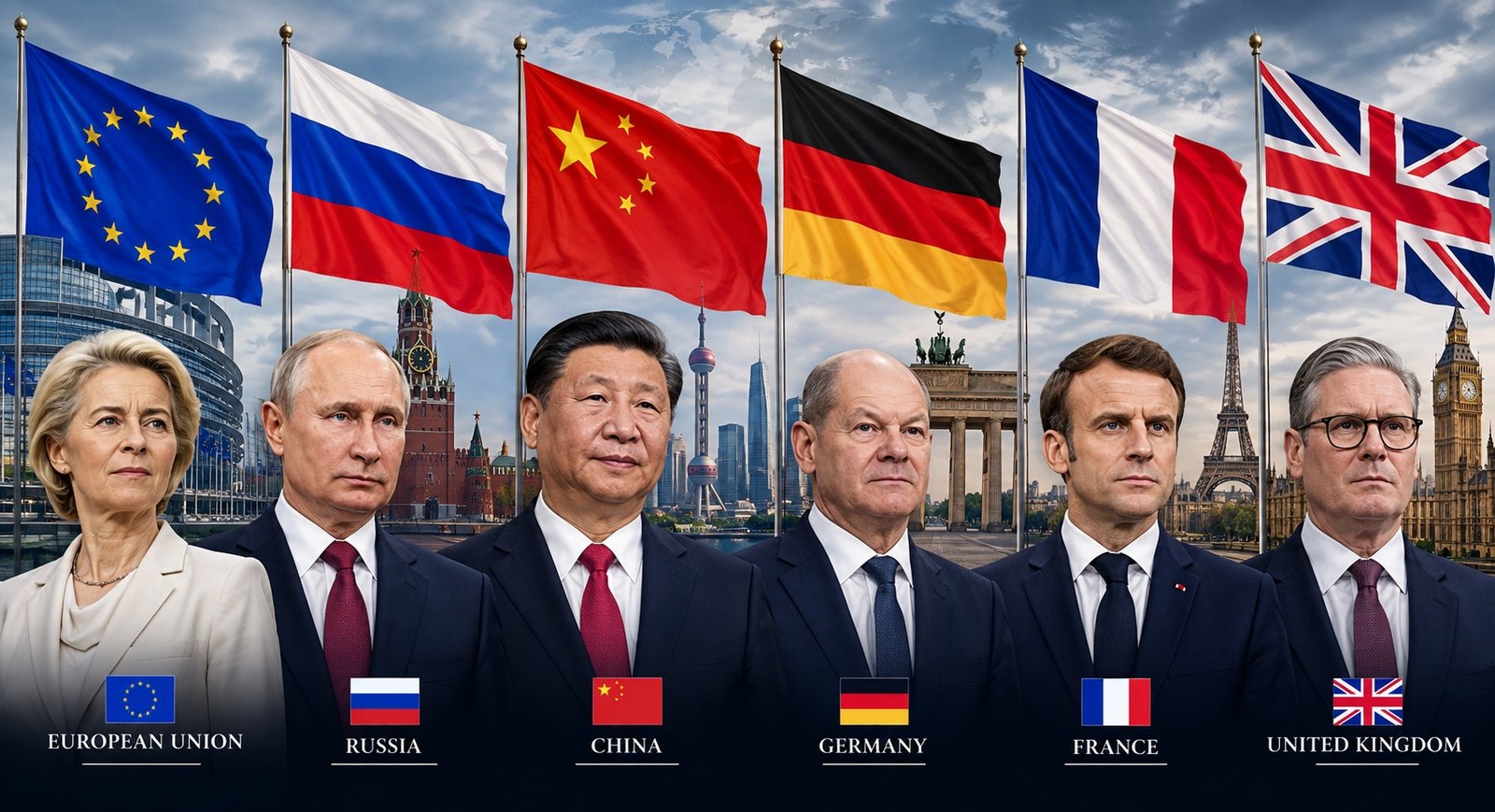
- European Union: Formally maintains its own separate sanctions regime, focused on human rights abuses and Iran’s military support for Russia. The EU has also stated that Iran’s actions against vessels in the Strait of Hormuz breach international law under the UN Convention on the Law of the Sea. The EU’s position on US extraterritorial sanctions, however, is more cautious — it has historically refused to formally recognize such measures as binding on European entities.
- Russia and China: Both governments reject the legal basis for reimposed UN sanctions entirely. They argue the 1737 Sanctions Committee lapsed and that all prior Security Council sanctions on Iran expired on October 18, 2025, when the nuclear deal’s timeline ran out.
- France, Germany, UK (“E3”): Take the opposite view — that they lawfully triggered the JCPOA’s “snapback” clause in August 2025, restoring UN sanctions that had been suspended.
How Did the Snapback Mechanism Reimpose UN Sanctions?
The snapback clause let any original JCPOA party claim Iran was non-compliant and reinstate old UN resolutions without a fresh Security Council vote. France, Germany, and the UK used it in August 2025, and the sanctions took effect that September.
Table: Where Major Powers Stand Legally
| Party | Position on Current Iran Sanctions |
|---|---|
| United States | Sanctions valid under domestic executive authority (E.O. 13902, PATRIOT Act §311) |
| Iran | Unilateral sanctions unlawful without UN Security Council approval |
| EU (E3) | Snapback was lawful; UN sanctions restored |
| Russia & China | Snapback procedurally invalid; UN sanctions status disputed |
| UN Security Council | Institutionally divided — no consensus resolution since the dispute began |
Who Gets Hurt Most by the Financial Isolation Push?
Banks, shipping firms, and trading companies with any Iran-linked exposure face the sharpest risk, because Section 311 measures don’t just target Iranian entities directly — they reach third-country banks accused of facilitating Iranian transactions. The September 8, 2026 wind-down deadline also means routine activity like academic exchanges or personal remittances now needs a specific OFAC license instead of a blanket authorization.
What Should Compliance Teams Watch Next?
Law firms tracking this space point to sector-wide designations under E.O. 13902 as the next major shift, since they sweep in entire industries rather than individual companies. Financial institutions with any Middle East correspondent banking relationships are being advised to review counterparties against the newly proposed FinCEN rule before it’s finalized.
FAQs
What triggered Operation Economic Outcast?
It launched August 24, 2026, aiming to sever Iran’s remaining links to global finance following the earlier 2026 Iran war and ceasefire.
Is the US legally allowed to sanction foreign banks over Iran ties?
Yes, under Section 311 of the PATRIOT Act, Treasury can cut off any foreign bank’s US correspondent access if it’s linked to Iranian sanctions evasion.
Do UN sanctions on Iran still apply in 2026?
It depends who you ask — the E3 says yes via snapback; Russia and China say the underlying authority expired in October 2025.
Why does the EU have a separate Iran sanctions list?
The EU’s own regime targets human rights violations and Iran’s military support for Russia, distinct from US measures.
What happened to Iran’s general licenses on September 8?
Five general licenses covering education, remittances, conferences, sports, and academic exchange expired, requiring specific OFAC licenses going forward.
Does Iran recognize these sanctions as legal?
No — Iran’s government calls unilateral, non-UN-authorized sanctions a violation of international law.
Are more Iran sanctions expected after September 2026?
Treasury officials have signaled additional sector designations under E.O. 13902 are likely, based on current enforcement patterns.
Conclusion
The current wave of Iran sanctions shows just how divided the legal consensus really is. The US anchors its actions in domestic executive authority and treats them as fully lawful; Iran, Russia, and China dispute the underlying legitimacy of the broader UN sanctions framework; and the EU sits somewhere in between, running its own regime while stopping short of endorsing every US measure. For anyone doing cross-border business, the practical answer is less about who’s “legally right” and more about which jurisdiction’s rules actually apply to your transaction — and right now, those rules point in different directions depending on where you’re standing.
This article is for informational purposes and does not constitute legal advice. Consult a licensed sanctions/trade compliance attorney before making compliance decisions.

1 thought on “Iran Sanctions 2026: What US and International Law Actually Say”